
Executive Summary: Pioneering Immersive Heritage with 5dVR
Cairo-based digital studio 5dVR stands at the forefront of crafting absorbing Extended Reality (XR) experiences, driven by a core mission to preserve heritage and celebrate culture. The studio leverages the transformative power of Virtual Reality (VR), Augmented Reality (AR), and a suite of interactive technologies to transport users across time and space. 5dVR directly addresses the inherent limitations of traditional heritage presentation methods, such as physical distance, static displays, and the inherent difficulty in conveying intangible cultural practices. By transforming passive observation into active participation and emotional connection, 5dVR’s solutions make cultural heritage more accessible, relatable, and impactful for contemporary audiences.
A hallmark of 5dVR’s approach is its versatile and sophisticated multi-technology toolkit, which encompasses VR, AR, 360-degree virtual tours, interactive installations, advanced hand tracking, gamification, and WebGL. This strategic flexibility allows 5dVR to tailor solutions precisely to the specific needs of each project, client, and unique cultural context.
The overarching benefits consistently demonstrated across 5dVR’s diverse portfolio are profound. These include significantly enhanced audience engagement, increased global accessibility to heritage sites, improved learning outcomes and deeper understanding, robust digital preservation of artifacts and sites, and powerful promotion of tourism and cultural diplomacy. 5dVR is positioned as a leading innovator and strategic partner, capable of creating unforgettable immersive journeys that foster profound understanding and fundamentally redefine how individuals interact with and appreciate their collective past in the 21st century.

1. Introduction: The Imperative of Immersive Heritage in the Digital Age
Cultural heritage serves as the fundamental bedrock of identity, connecting present generations to the narratives, achievements, and wisdom accumulated throughout history. It embodies the collective memory and traditions that define societies and inspire future progress.
However, traditional methods of preservation and presentation often struggle to convey the richness, context, and dynamism inherent in historical sites and cultural practices. Conventional museum displays, often featuring artifacts behind glass, static text panels, and two-dimensional images, frequently fall short of meeting the contemporary demand for dynamic engagement and experiential learning. This observed struggle is not merely a technological gap; it signifies a profound shift in how modern audiences, particularly younger generations accustomed to interactive digital content, expect to interact with information and culture. The preference has moved from passive consumption to active, personalized participation. For cultural heritage to maintain its relevance and impact, it must embrace dynamic, interactive modalities. Without this adaptation, heritage risks becoming increasingly distant and disengaging for future generations.

In response to this evolving landscape, Extended Reality (XR), encompassing Virtual Reality (VR), Augmented Reality (AR), and Mixed Reality, has emerged as a transformative medium. XR offers an unprecedented means of experiencing and preserving cultural history by simulating time and space, allowing users to virtually walk through ancient cities, interact with long-lost artifacts, and immerse themselves in past cultures with a level of detail and interactivity previously unimaginable.
Within this burgeoning field, Cairo-based digital studio 5dVR has distinguished itself as a pioneer. The studio specializes in crafting absorbing XR experiences specifically tailored for the cultural heritage sector. 5dVR’s approach involves meticulously recreating historical sites, artifacts, and cultural practices, moving beyond passive observation to enable active participation and foster deep emotional connections with the past.

2. 5dVR’s Strategic Approach: Architects of Immersive Journeys
5dVR’s core mission is deeply rooted in preserving heritage and celebrating culture. This is achieved by strategically leveraging the immersive power of Virtual Reality, Augmented Reality, and other interactive technologies to transport users across both time and geographical boundaries.
The studio’s solutions are specifically designed to overcome significant hurdles inherent in presenting cultural heritage effectively. These challenges include:
- Accessibility: Overcoming geographical barriers to allow virtual visits to historical sites and museums that might otherwise be physically inaccessible.
- Contextualization: Placing artifacts and historical narratives within their original environments and cultural contexts, providing a richer understanding than static displays.
- Engagement: Transforming passive viewing into active participation and exploration, catering to modern audiences’ desire for interactive content.
- Preservation: Creating accurate digital twins of sites and artifacts, safeguarding them against physical degradation and providing a platform for virtual restoration.
- Intangible Heritage: Offering interactive ways to learn and experience traditional skills, crafts, and cultural practices that are difficult to convey through conventional media.
- Storytelling: Weaving compelling narratives that make history relatable and emotionally resonant for diverse audiences.
A key differentiator for 5dVR is its versatile multi-technology toolkit for immersive storytelling. The studio does not rely on a single technological solution but instead employs a broad spectrum of XR technologies, meticulously tailoring the approach to the specific needs of each project, client, and heritage context. This strategic decision to employ a versatile toolkit and tailor solutions, rather than specializing in a single XR modality, positions 5dVR as a comprehensive solution provider. This allows them to address a wider spectrum of complex heritage challenges and client requirements, which is critical in a dynamic and evolving technology market. This multi-faceted approach provides a significant competitive advantage, enabling 5dVR to optimize for both impact and cost-effectiveness, offering bespoke solutions that maximize value for clients. This strategic flexibility makes them more resilient to market shifts and more attractive to a broader range of cultural institutions and government bodies, solidifying their position as a leading, adaptable partner in the XR for heritage space.
5dVR’s toolkit includes:
- Virtual Reality (VR): Used to create fully immersive digital environments, allowing users to explore historical sites, participate in simulations, and experience events as if they were truly present.
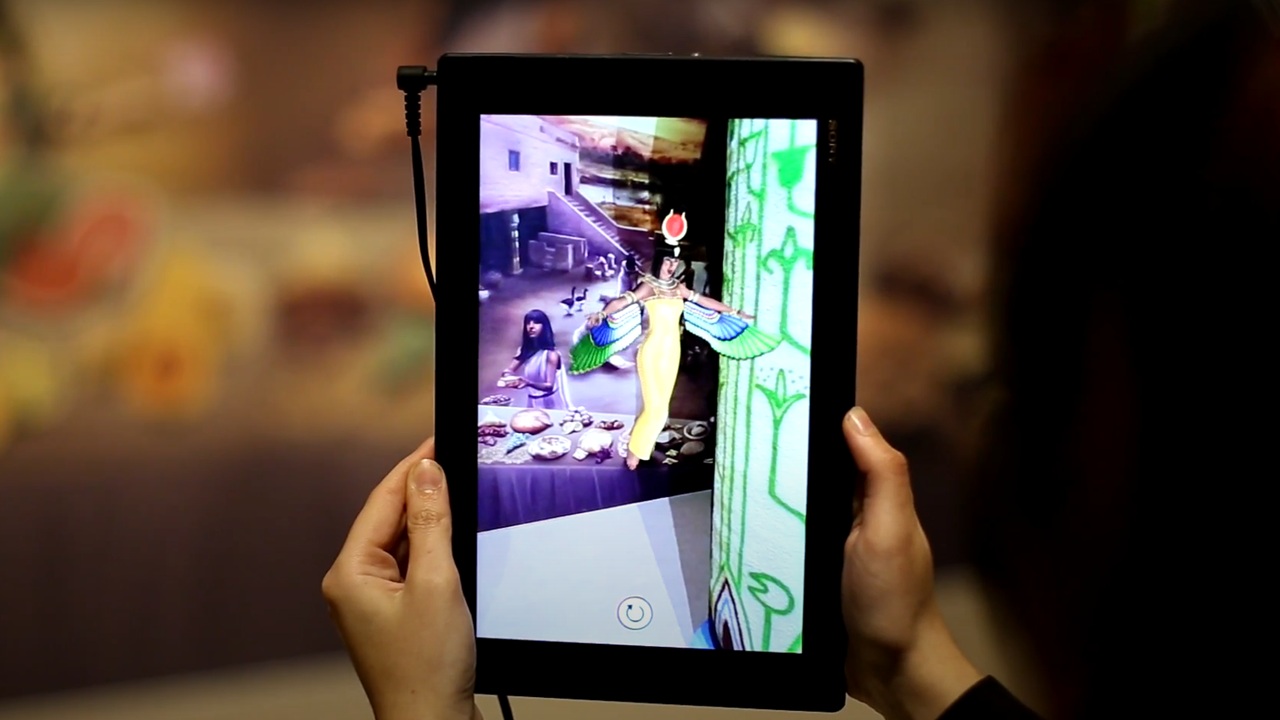
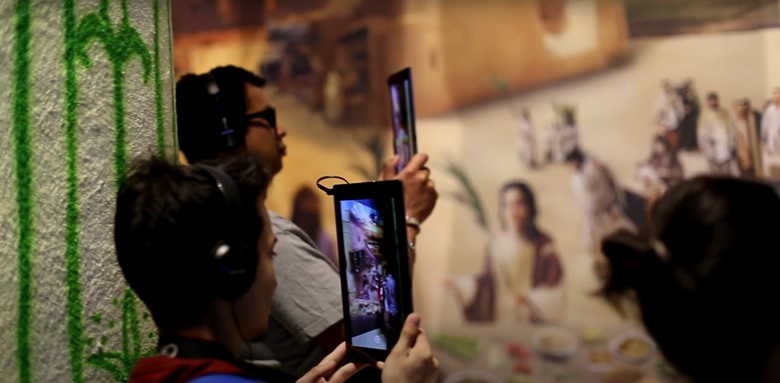
- Augmented Reality (AR): Employed to overlay digital information, 3D models, and animations onto the real world or specific markers/images, enriching physical exhibits or bringing historical elements into the user’s immediate surroundings.
- 360-degree Virtual Tours: Capturing real-world locations with high-resolution panoramic imagery, enabling users to navigate and explore spaces remotely via web or VR platforms.
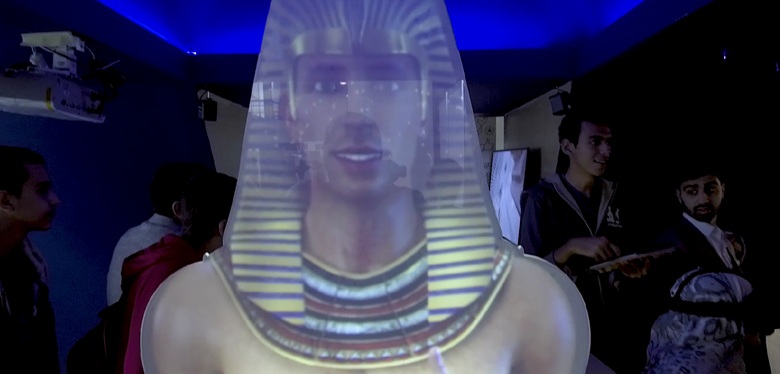
- Interactive Installations: Designing physical booths or stations that incorporate technologies like holography, virtual mannequins, and interactive screens to create engaging focal points.
- Hand Tracking & Natural Interaction: Utilizing advanced input methods like controller-less hand tracking in VR to make interactions more intuitive and immersive, particularly for craft-based simulations.
- Gamification: Incorporating game mechanics and interactive challenges to enhance engagement and learning outcomes.
- WebGL: Developing browser-based interactive applications to ensure wide accessibility without requiring specialized hardware or downloads.

3. The Power of XR in Cultural Heritage Marketing and Engagement
Extended Reality (XR) transforms cultural heritage marketing by replacing static promotions with immersive, emotionally resonant experiences. XR enables interactive virtual environments where users can explore heritage sites, artifacts, or tourism offerings from anywhere-creating powerful brand recall and deeper engagement. Through VR storytelling, users form strong emotional connections, leading to increased loyalty and cultural pride. Immersive experiences often inspire individuals to become active cultural ambassadors, supporting preservation, sharing knowledge, and reinforcing national identity.

XR offers high interactivity and personalization, allowing users to explore cultural content in ways that feel tailored and engaging. For example, visitors can navigate a virtual museum exhibit at their own pace, choose narrative paths based on their interests, or interact with historical characters or artifacts. This not only deepens engagement but also provides data-driven insights into visitor preferences-helping refine future heritage storytelling and curation.
With enhanced visualization, XR allows users to explore sites and services in detail, reducing uncertainty and building confidence-especially valuable in tourism. Adopting XR also signals innovation and differentiation, helping brands stand out in competitive markets. It’s also cost-effective and scalable, delivering consistent high-quality experiences without the costs of travel or physical setup. Meanwhile, user data collection within XR platforms enables smarter, evidence-based marketing strategies.
Critically, XR enhances accessibility and inclusion, opening heritage to people with disabilities or those unable to travel. It also boosts pre-visit stimulation, increasing interest and connection to destinations before arrival.
Beyond marketing, XR supports digital preservation through high-fidelity 3D models of sites and artifacts-vital for protecting against degradation and sharing culture globally. These immersive experiences not only enrich memorable tourism experiences (MTES) but also strengthen cultural diplomacy and long-term sustainability.
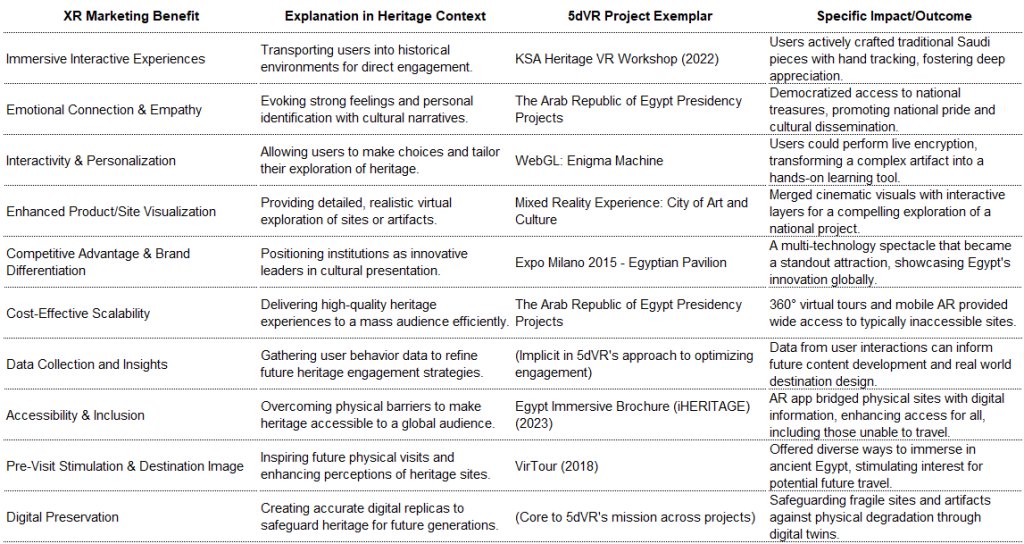
The following table illustrates how 5dVR’s projects exemplify these XR marketing benefits within the cultural heritage context.
Table 1: XR Marketing Benefits in Cultural Heritage: 5dVR’s Exemplars

4. Showcase: 5dVR’s Transformative Cultural Heritage Projects
5dVR’s expertise is evident across a diverse and impactful portfolio of cultural heritage projects, each demonstrating the studio’s ability to tailor sophisticated XR solutions to unique heritage needs. The following table provides an overview of these projects, followed by a detailed analysis of each.
Table 2: 5dVR Project Portfolio Overview


4.1. KSA Heritage VR Workshop (2022): Preserving Saudi Craftsmanship
Objective: This project aimed to preserve and promote Saudi Arabian cultural heritage, with a specific focus on traditional crafts such as pottery, rosary making, and Al Qatt Al Asiri (traditional geometric art). The initiative coincided with the national Saudi day, enhancing its cultural significance.

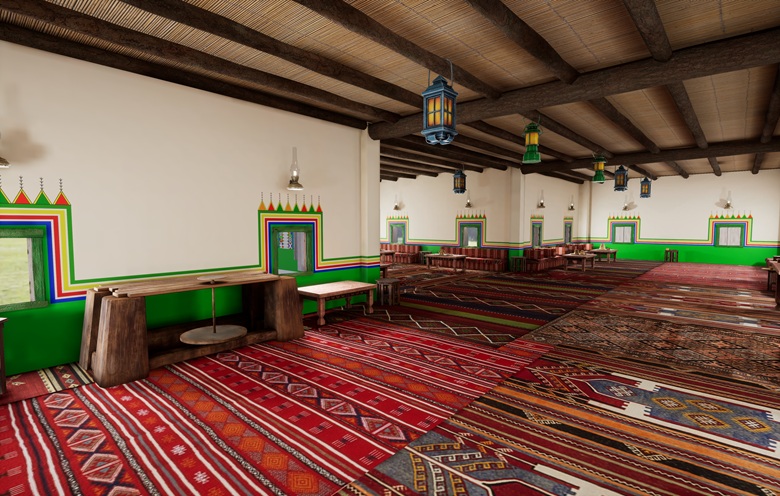
Solution: 5dVR developed an immersive VR experience featuring three distinct workshops. A pivotal innovation was the integration of controller-less hand tracking, which allowed users to intuitively manipulate virtual tools and materials. This enabled them to craft their own artistic pieces within the virtual environment, simulating the actual process of traditional craftsmanship.
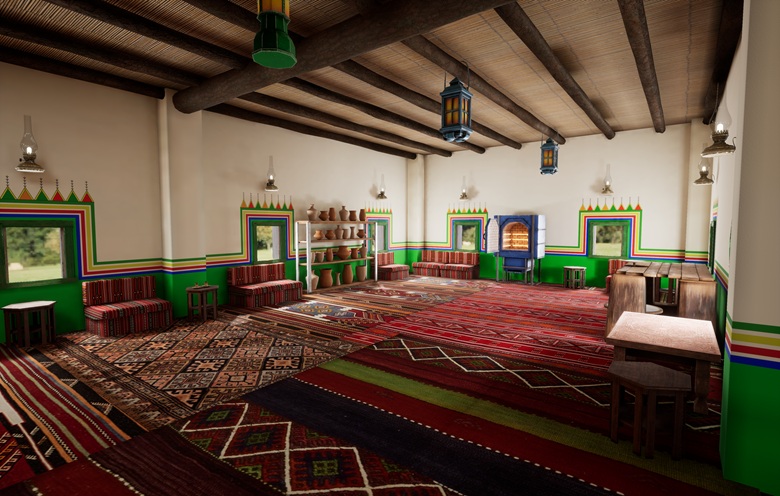
Impact: The KSA Heritage VR Workshop moved significantly beyond passive viewing, enabling active participation in cultural practices. It offered a hands-on, memorable way for users to learn about and appreciate the intricate skills involved in these traditional crafts, fostering a deeper, more personal connection to Saudi heritage. The ability for users to take away a digital image of their creation provided a personalized memento, reinforcing their engagement. The strategic integration of controller-less hand tracking for craft simulation represents a groundbreaking application. This technology directly addresses the challenge of preserving intangible heritage-the skills, practices, and rituals-by enabling active, embodied learning. It transforms passive observation into direct, physical engagement with cultural practices, allowing users to truly understand the effort and artistry involved. This approach not only safeguards the knowledge of traditional crafts but also creates an innovative pedagogical model for cultural education. By enabling users to virtually experience the skill and effort involved, it fosters a deeper appreciation and potentially inspires a new generation to engage with these arts. This positions 5dVR at the forefront of experiential learning design within XR, offering a powerful solution for the long-term vitality and transmission of cultural practices.

4.2. The Arab Republic of Egypt Presidency Projects: Accessing National Treasures
Objective: The primary goal of these projects was to leverage technology to showcase significant national heritage sites and symbols under the purview of the Egyptian Presidency, making them accessible to a wider audience.

Solution: 5dVR implemented a dual approach. Firstly, they created 360∘ Virtual Tours that provided unprecedented virtual access to historical Presidential Palaces. These tours allowed users to explore ornate architecture and significant spaces that are typically inaccessible to the general public. Secondly, an Augmented Reality (AR) application was developed to bring iconic figures depicted on Egyptian currency to life as interactive 3D models. This offered an engaging and novel way to learn about national history and symbolism.

Impact: These initiatives successfully democratized access to important national heritage sites and symbols. By utilizing readily available technologies such as web-based 360° tours and mobile AR, the projects reached a wide audience both domestically and internationally. They served crucial educational purposes while simultaneously promoting national pride. The deliberate choice of widely accessible technologies like 360° virtual tours and mobile AR for these high-profile national projects demonstrates 5dVR’s understanding of market penetration and broad reach. This strategy effectively mitigates the challenge of a limited user base often associated with high-end VR, maximizing public engagement for initiatives focused on national pride and education. For national heritage initiatives, maximizing reach and fostering national pride are paramount. By selecting broadly accessible technologies, 5dVR ensures that these immersive experiences are not confined to specialized venues but can be consumed by citizens and global audiences alike. This directly contributes to cultural dissemination and strengthens national identity and soft power by making significant cultural symbols and sites widely available for exploration and learning.

4.3. Egypt Immersive Brochure (iHERITAGE) (2023): Enhancing UNESCO Site Access
Objective: The project aimed to improve access to and understanding of Egypt’s rich UNESCO World Heritage sites, encompassing both tangible (physical locations) and intangible (cultural practices) aspects.

Solution: 5dVR developed an AR mobile application for Ceeba, designed to function as an immersive brochure. This application likely allowed users to point their devices at specific images or locations, triggering augmented reality content that provided deeper insights, historical context, or visualizations related to the heritage sites.

Impact: This application effectively bridged the gap between physical heritage sites and digital information, offering a portable and interactive guide that enhances the visitor experience for those on-site or provides virtual access for those unable to travel. Its comprehensive focus on both tangible and intangible heritage demonstrated a holistic approach to cultural preservation and dissemination. This project exemplifies AR’s unique strength in enhancing on-site experiences while simultaneously serving as a valuable pre-visit or remote access tool. It highlights AR’s capacity to provide real-time contextualization by overlaying digital information onto physical environments, making physical visits richer, more informative, and memorable. This approach transforms a potentially passive visit into an active, personalized learning journey. By providing rich, interactive layers of information directly within the physical environment, it caters to the modern tourist’s desire for immediate access to knowledge and deeper engagement. This can significantly increase visitor satisfaction, encourage longer stays, and foster a more profound appreciation for complex heritage sites, thereby contributing to both educational outcomes and tourism promotion.
4.4. Expo Milano 2015 – Egyptian Pavilion: A Global Stage for Heritage and Innovation
Objective: The goal was to present Egypt’s culinary heritage and agricultural contributions within the Expo’s theme of food sustainability, effectively blending tradition with modern technology on an international stage.

Solution: The Egyptian Pavilion featured a multi-technology spectacle. This included AR broadcasts, advanced holographic displays (such as a hologram curtain), interactive AR experiences, and an AR-powered photobooth. This orchestration of diverse technologies created a dynamic and highly engaging narrative environment for visitors.

Impact: The pavilion became a standout attraction at Expo Milano, successfully communicating Egypt’s historical significance and contemporary innovation. It served as a powerful demonstration of how diverse XR technologies could be orchestrated to create a cohesive and memorable cultural showcase on an international stage, generating significant buzz and positive engagement from a global audience.1 The Expo Milano project is a prime example of 5dVR’s capability in designing and executing a large-scale, multi-modal XR spectacle for high-stakes national branding and cultural diplomacy. This demonstrates their strategic vision and execution prowess beyond individual applications, proving their ability to deliver integrated, high-impact experiences for a global audience. Successfully delivering such a complex, high-visibility project positions 5dVR as a leader in experiential marketing for national cultural promotion. It showcases their ability to blend artistic vision, technological innovation, and cultural narrative to achieve significant soft power objectives, attracting international attention and fostering a positive global perception of Egypt’s heritage and forward-thinking approach. This project underscores their capacity for large-scale project management and creative integration.

4.5. VirTour (2018): Multi-Modal Immersion in Ancient Egypt
Objective: The project aimed to create a comprehensive and engaging ancient Egyptian themed experience, likely for a major event or exhibition booth, providing diverse avenues for exploration.

Solution: VirTour combined various immersive technologies within a single curated space. This included a VR museum experience, a lifelike virtual mannequin, AR broadcast elements, and a virtual tour specifically focusing on the iconic Karnak and Luxor museums.
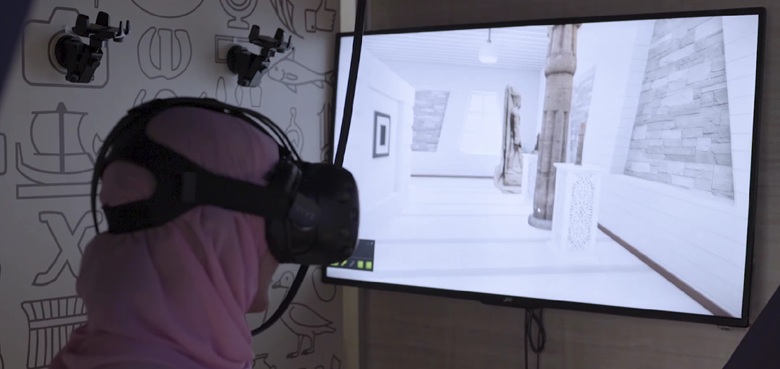
Impact: This project effectively showcased 5dVR’s ability to integrate multiple XR formats to cater to different user preferences and provide varied engagement points. It offered visitors diverse ways to immerse themselves in ancient Egyptian history and culture within a single, cohesive experience.1 This project reinforces 5dVR’s mastery of multi-modal XR integration, specifically its application in catering to diverse user preferences. By offering varied entry points into the ancient Egyptian experience (VR, AR, virtual tour, virtual mannequin), they maximize engagement by allowing users to choose their preferred level and type of immersion, which is crucial for broad appeal in a varied audience. This approach reflects a deep understanding of user experience design. Not all users are comfortable with or desire the same level of immersion; some may prefer a 360° tour on a screen, while others seek full VR. By offering multiple modalities, 5dVR ensures accessibility and engagement for a wider audience, reducing potential friction points for technology adoption. This strategy is particularly effective for large-scale exhibitions, museums, or events where diverse audiences with varying tech savviness and interests converge. It allows for layered storytelling and personalized experiences, demonstrating 5dVR’s ability to optimize engagement by adapting the technology to the user, rather than forcing the user to adapt to the technology. This flexibility is a key differentiator in the experiential market.

4.6. Mixed Reality Experience: City of Art and Culture
Objective: The primary objective was to leverage mixed reality technology to showcase the City of Arts and Culture as a modern symbol of Egypt’s creative and cultural renaissance.
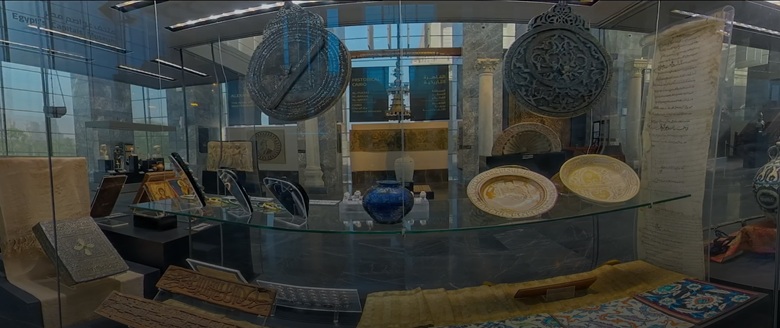
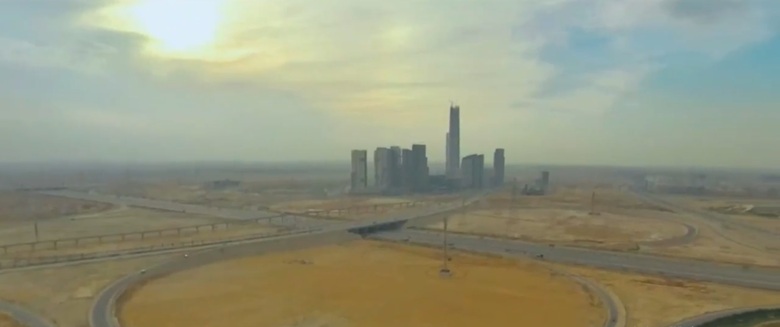
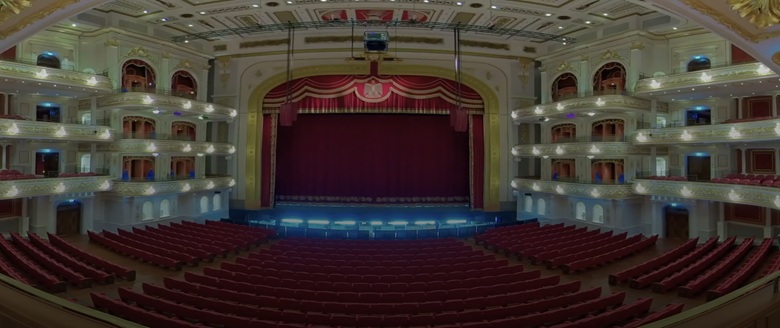
Solution: 5dVR developed a Mixed Reality (MR) experience utilizing 360° video footage combined with dynamic digital overlays. Users could explore key landmarks within the City of Arts and Culture, such as the Opera House, museums, and performance halls, through a VR headset or MR display. The experience was enriched with contextual layers including narration, dynamic text, and interactive hotspots that revealed behind-the-scenes content, historical context, and cultural significance.

Impact: This experience offered a compelling way to explore a major national project, seamlessly merging cinematic-quality visuals with interactive storytelling. It allowed both physical and remote users to connect with Egypt’s cultural vision in a highly accessible and engaging format, thereby promoting national pride, tourism, and education through cutting-edge technology.1 The use of Mixed Reality with 360° video footage and interactive digital overlays represents a sophisticated evolution in immersive storytelling. This approach allows for the compelling realism of captured video to be combined with the interactive and informative capabilities of digital augmentation, bridging the gap between passive cinematic viewing and full virtual exploration. This approach is particularly effective for showcasing large, modern developments or complex real-world sites where the authentic visual context is paramount but digital enhancement is desired for deeper engagement. It demonstrates 5dVR’s ability to innovate beyond traditional XR categories, leveraging the strengths of different immersive modalities to create a richer, more informative, and compelling narrative experience. This positions them at the forefront of evolving XR capabilities for complex storytelling.
4.7. WebGL: Enigma Machine
Objective: The project aimed to educate users on the mechanics and historical significance of the Enigma machine through an interactive digital experience.
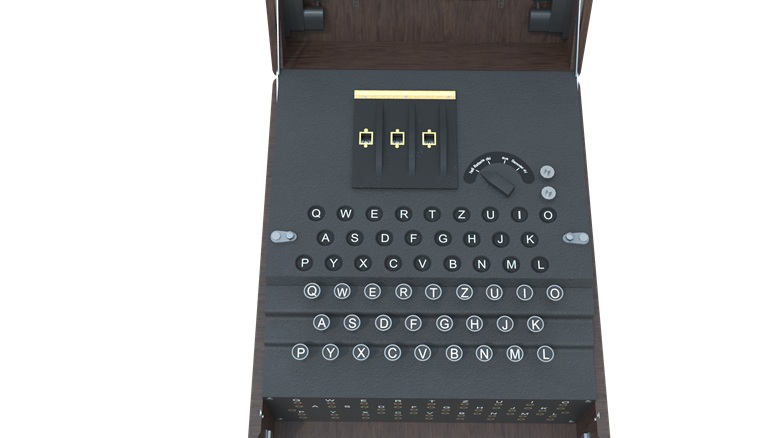
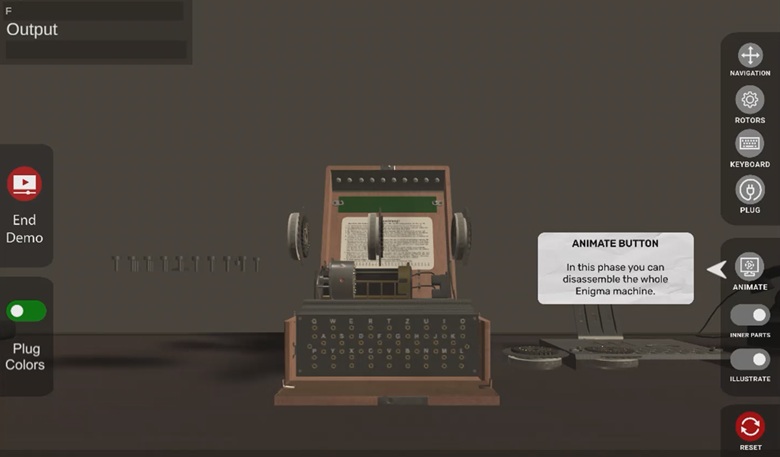
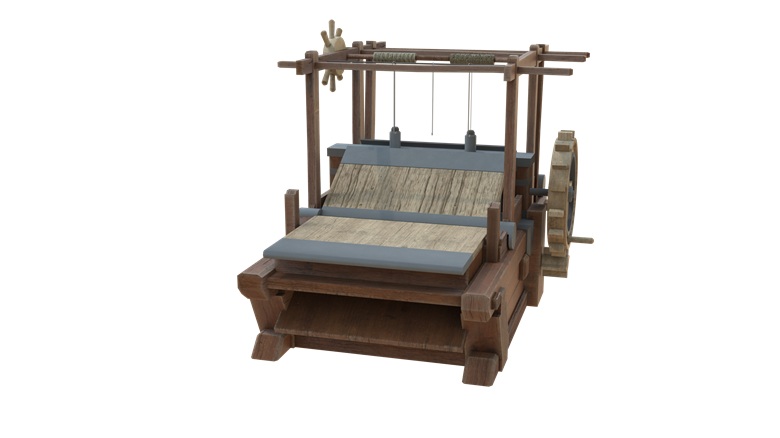
Solution: 5dVR created a browser-based WebGL application featuring a fully functional digital replica of the Enigma machine. This allowed users to perform live encryption demonstrations, inputting messages, and observing real-time encoded outputs, providing a hands-on understanding of its operation.
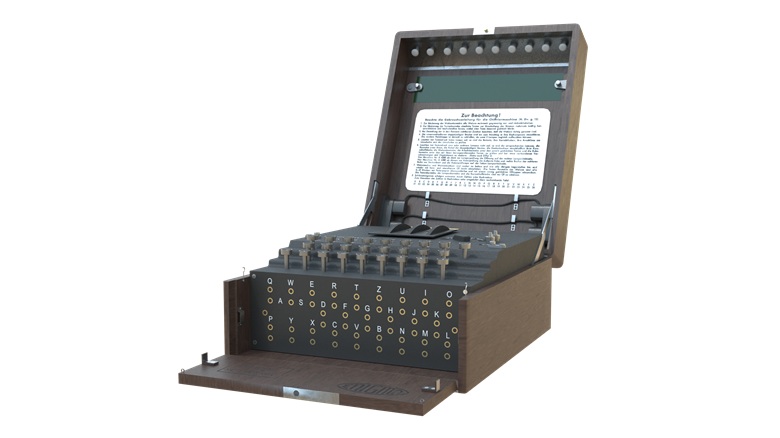
Impact: This project successfully transformed a complex historical artifact into an engaging, hands-on learning tool. It simplified cryptographic concepts for students, educators, and history enthusiasts, making the Enigma’s operation accessible and visually intuitive. The web-based format ensured wide accessibility without requiring specialized downloads or hardware, significantly broadening its reach.1 The Enigma Machine project highlights 5dVR’s strategic use of WebGL to overcome the challenge of a limited user base and the high cost often associated with more advanced XR hardware. By making a complex historical artifact fully interactive and accessible via a standard web browser, they democratize learning and demonstrate a pragmatic approach to maximizing educational impact and market reach. This strategic choice demonstrates 5dVR’s understanding that effective cultural heritage engagement and education are not always about the highest fidelity immersion, but often about the widest possible reach and lowest barrier to entry. It positions them as pragmatic innovators who can adapt technology to serve specific educational and accessibility goals, maximizing impact for a broad audience of students, educators, and enthusiasts. This also showcases a strong return on investment by reaching a massive audience with a single, cost-effective deployment.
